
Online Educa Berlin 2025
Reflections from Berlin
my first conference presentation and my first proper panel participation. Both ended up happening back-to-back in a compressed format, which made the experience unexpectedly intense – but also surprisingly energising. It was a good reminder that sometimes shorter formats force sharper ideas. Welcome to OEB 2025.
We travelled as a small University of Helsinki delegation: Mihaela Nyyssönen, Ulla Hemminki-Reijonen, YC Felin (who ran their own workshop), and Sami Nikander and Kati Hietamies. Having multiple perspectives from UH in the same place meant that the corridor discussions were often as valuable as the formal sessions.
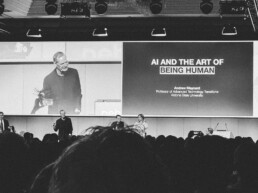
Two keynotes framed the whole conference for me.
Maja Göpel
delivered a pointed critique of the current tech landscape: a pushback against big-tech logics and an appeal to return to humanistic values in how we imagine socio-technological futures. She reminded us that optimisation narratives are not destiny but choices and that education should anchor itself in dignity, agency and socio-ecological responsibility.
Yong Zhao
speaking without slides, argued that education keeps trying to “contain” new technologies within ageing systems. Instead of using AI to reinforce what no longer works, he urged us to redesign learning around agency, interdependence, and problem finding. His way of reframing “meritocracy” as a historical dead end was both provocative and liberating.
My contribution at OEB
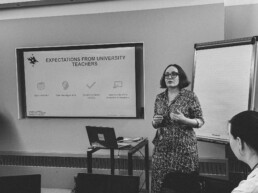
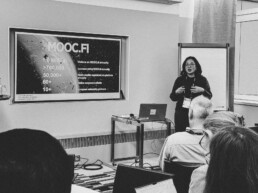
Because of a programme reshuffle, my original 15-minute presentation became a 7-minute sprint, immediately followed by our panel. In the end it worked. The short talk landed the core message; the panel gave room for the nuance.
Short presentation: Towards AI-Native Online Learning
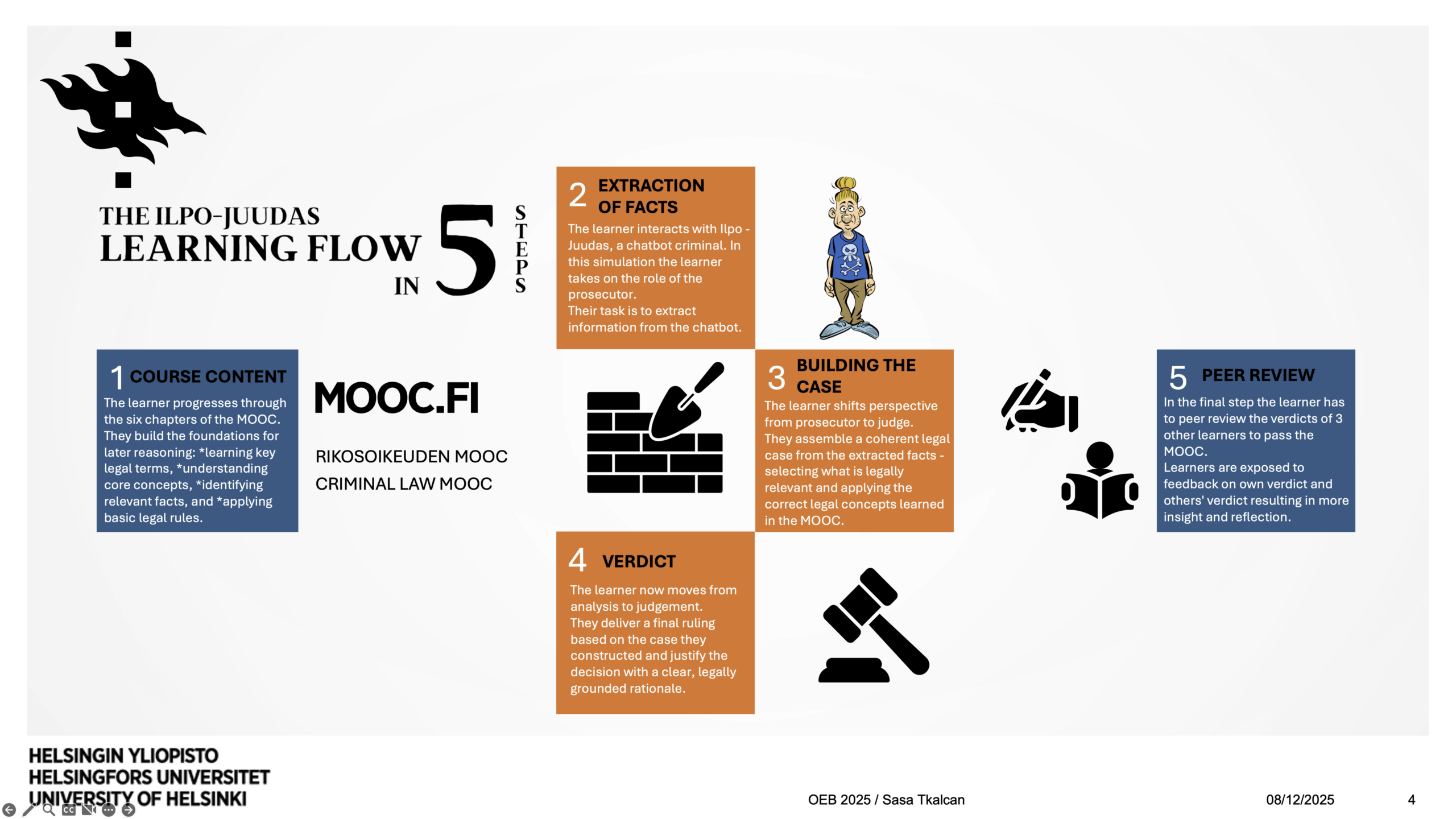
I presented our work with Ilpo Juudas, the GenAI persona embedded in the University of Helsinki’s Criminal Law MOOC.
My argument was simple but important: GenAI creates value only when the learning design adapts around it. A chatbot on the side is decorative; a chatbot embedded into a scaffolded reasoning task is transformative.
The Ilpo case makes this tangible. Students progress through core content → extract facts via an AI-persona interrogation → build the case → deliver a verdict → conduct peer review. The persona is not a novelty element but part of the instructional logic.
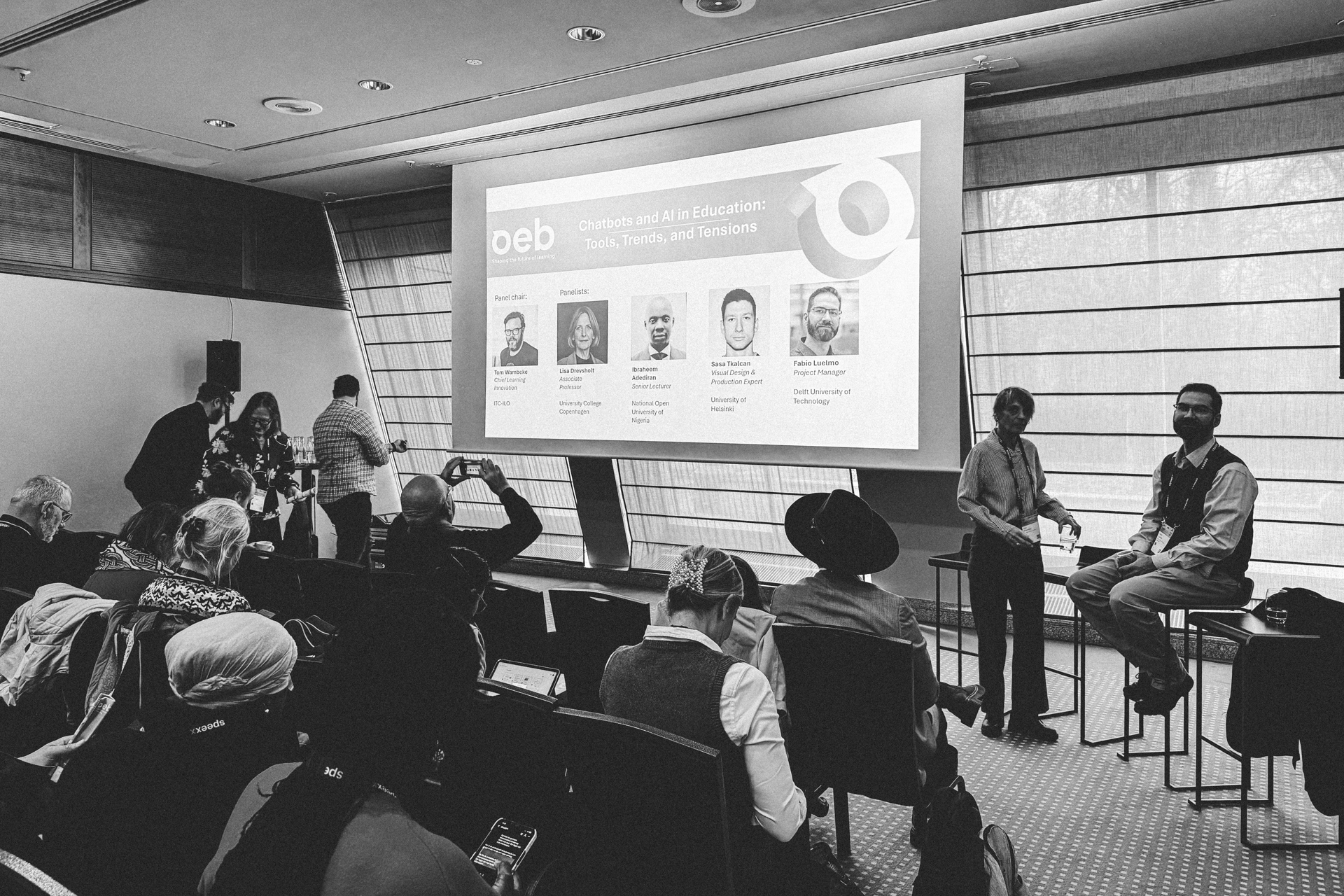
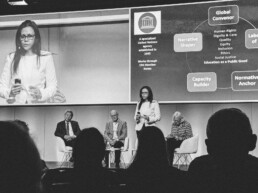
Panel discussion: Chatbots and AI in Education: Tools, Trends, and Tensions
Immediately afterwards we shifted into the panel with colleagues from Delft, Copenhagen and Nigeria. The discussion stayed refreshingly grounded:
– What actually works in classrooms? Simulations!
– How do students genuinely use AI assistants?
– Building an AI tool nobody asked for and how it was implemented
It was clear that many universities are now moving from exploration to more structured implementation.





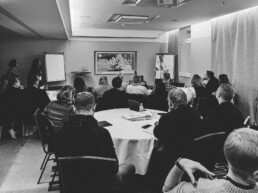
What stayed with me
Friday morning offered two particularly useful orientation points. Earlier mentioned Yong Zhao and
Dr Shafika Isaacs (UNESCO)
emphasised that AI in education must be understood as part of the public-good mission of education, not as a market to be optimised. Her human-rights-driven framing – equity, access, dignity – is a needed counterweight in the current hype cycle. She also highlighted the importance of open educational resources (OER) as a practical route to widening access and ensuring that digital learning ecosystems remain transparent and shareable. In her view, OER is not merely a licensing choice but a structural safeguard that keeps education accountable to learners and communities rather than commercial interests.
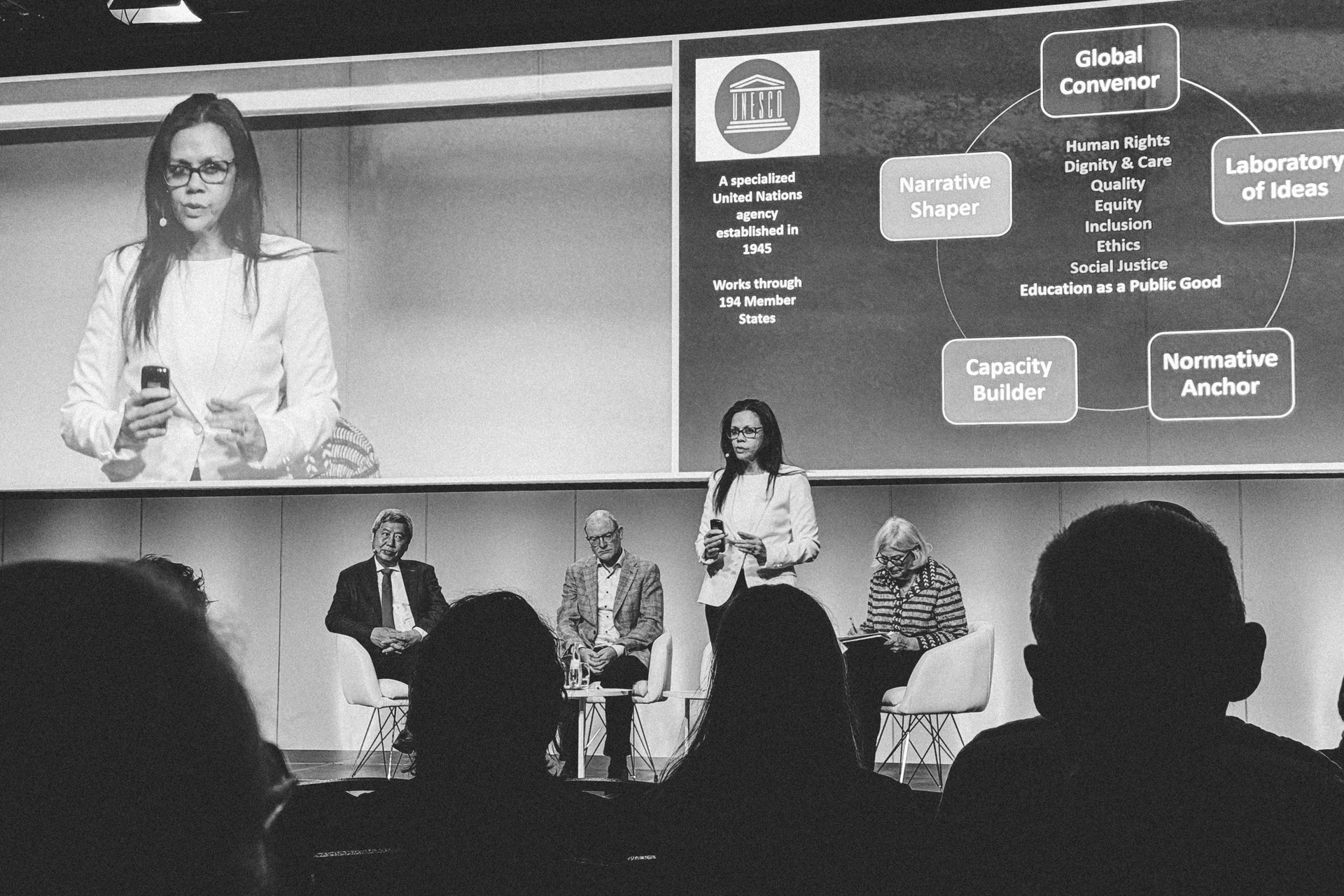
Taken together with Göpel’s earlier call for a more human-centred technological imagination, these perspectives reinforce a direction we are already committed to: building AI-supported learning experiences that are coherent, intentional, and learner-centred – not driven by novelty, not driven by tools, and not driven by platform logic.
Back in Helsinki now, head full of notes, conversations, and a sense that our work on AI-enhanced learning design is on a solid trajectory. Plenty to refine and plenty to look forward to and maybe visiting OEB in 2026 again with new insights?
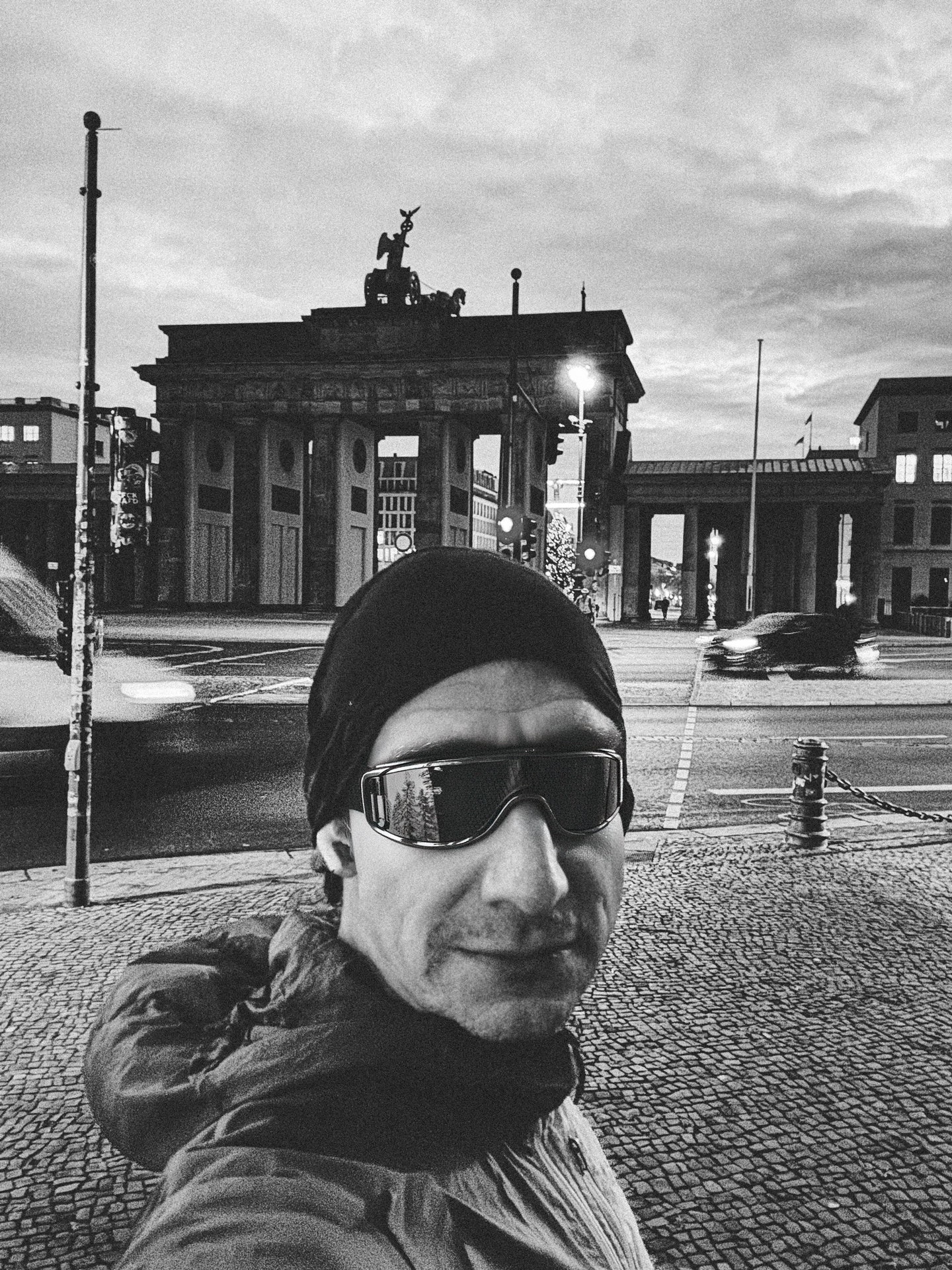
On Thursday, before the sessions even began, I kept my usual routine when on a working trip: an early run. This time through a still-dark Tiergarten, criss-crossing the paths before passing the Siegessäule and looping around the Brandenburger Tor. It was a quiet way to anchor the day, a small Berlin moment before diving into the intensity of the conference. Note: Strasse des 17. Juni is a very long stretch of a street!




From PDFs to Conversations: Testing GPT4All’s LocalDocs
Large language models are often used as cloud services, but there is…

GenAI and the Degradation of Human Virtues?
What does generative AI reflect back at us—and what might it be…